AGP Executive Report
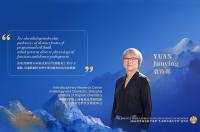
Last update: 2 hours agoCell Biology: Yuan Junying’s work overturning the idea that cell necrosis is purely accidental has opened new avenues for studying disease and developing treatments. Cancer Research: A Science Tokyo team identified an epigenetic route to liver cancer that does not rely on familiar driver mutations; blocking a key regulator reduced tumors in mice. Quantum Computing: RIKEN researchers improved simultaneous control of five silicon qubits, addressing a source of errors that could hinder larger quantum processors. Cancer Treatment: Japanese scientists made anticancer compounds inside cultured cancer cells using carbon monoxide produced by the cells, but the effect was modest and has not been tested in animals or people. Exercise and Longevity: A study of 96,408 adults linked a greater share of vigorous activity to lower risks of several diseases and early death, though it cannot show that intensity caused the benefits. Fundamental Physics: Researchers reported trapping an antimatter particle for months, potentially enabling precise tests of enduring physics questions.
Note: AI summary from news headlines; neutral sources weighted more to help reduce bias in the result. Feedback is welcome. Please let us know if you have any comments or suggestions about the AGP Executive Report.

 Perspectify News