

Robotimize Announces U.S. Market Entry with HandVivante™ MirrorHand, Expanding Access to Data-Enabled Neurorehab
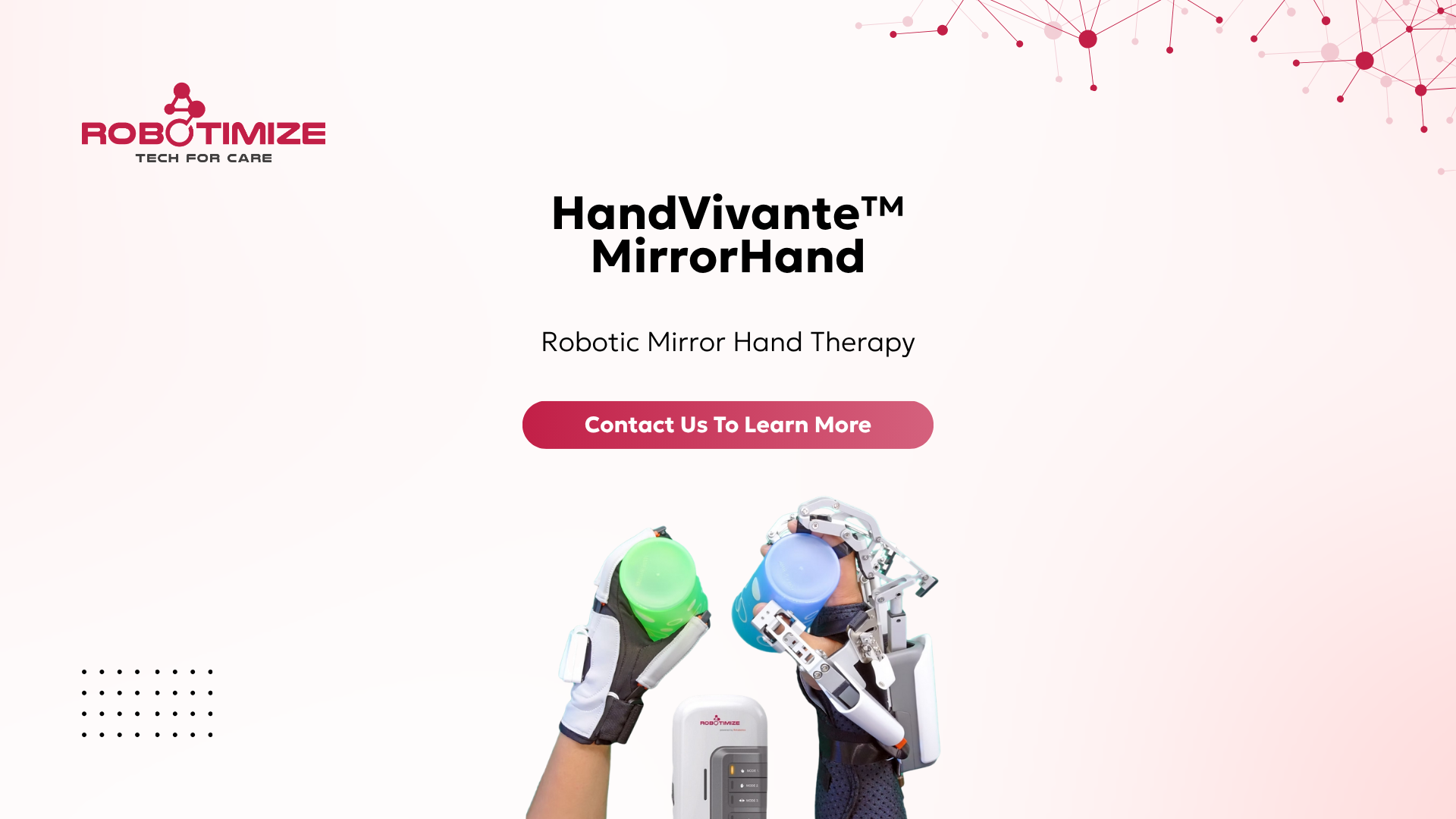
HandVivante™ MirrorHand by Robotimize Group, a robotic mirror therapy system enabling synchronised bimanual upper limb rehabilitation for stroke and neurological recovery.
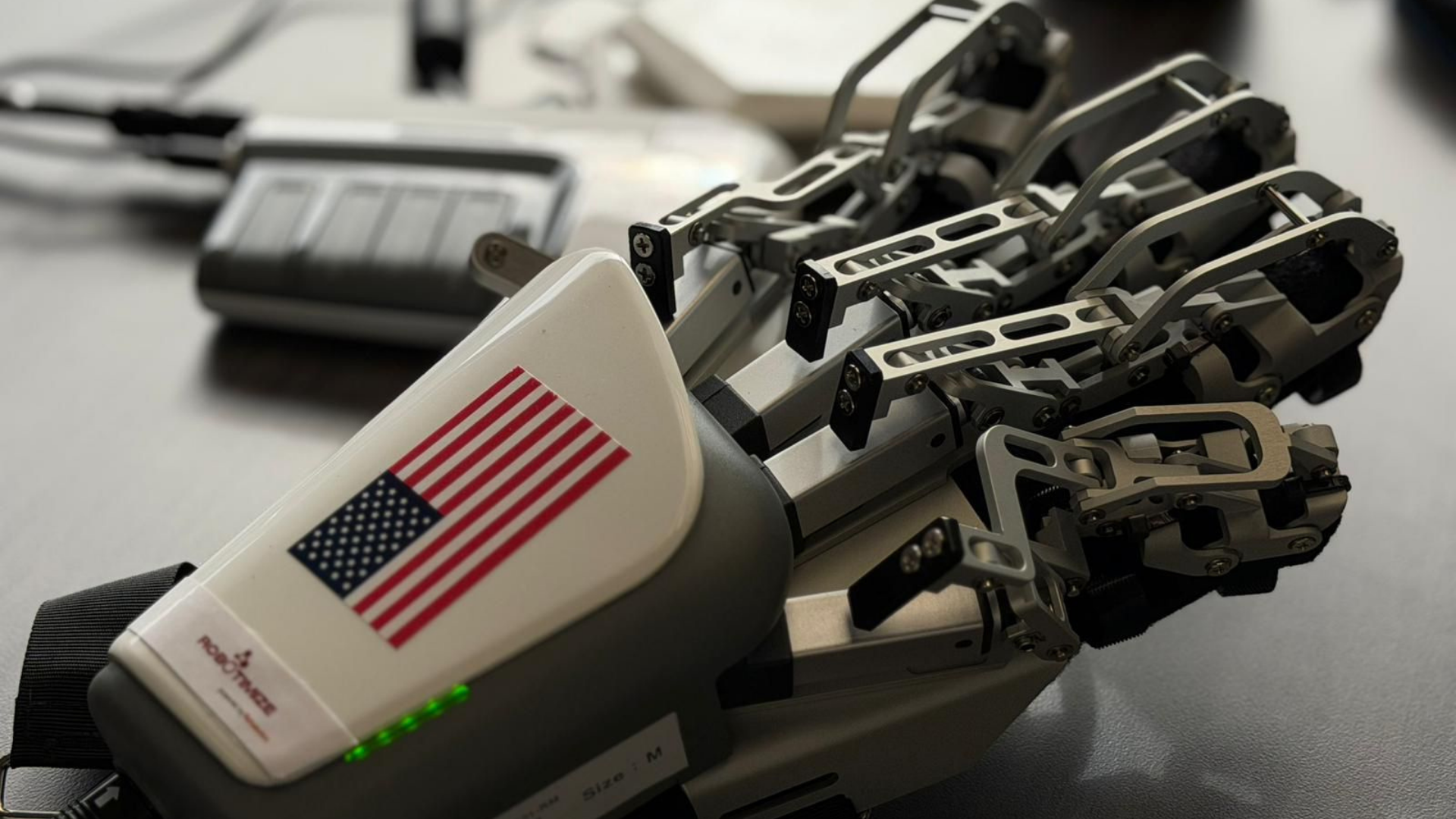
HandVivante™ MirrorHand with the American flag, marking Robotimize Group’s strategic entry into the U.S. rehabilitation technology market.
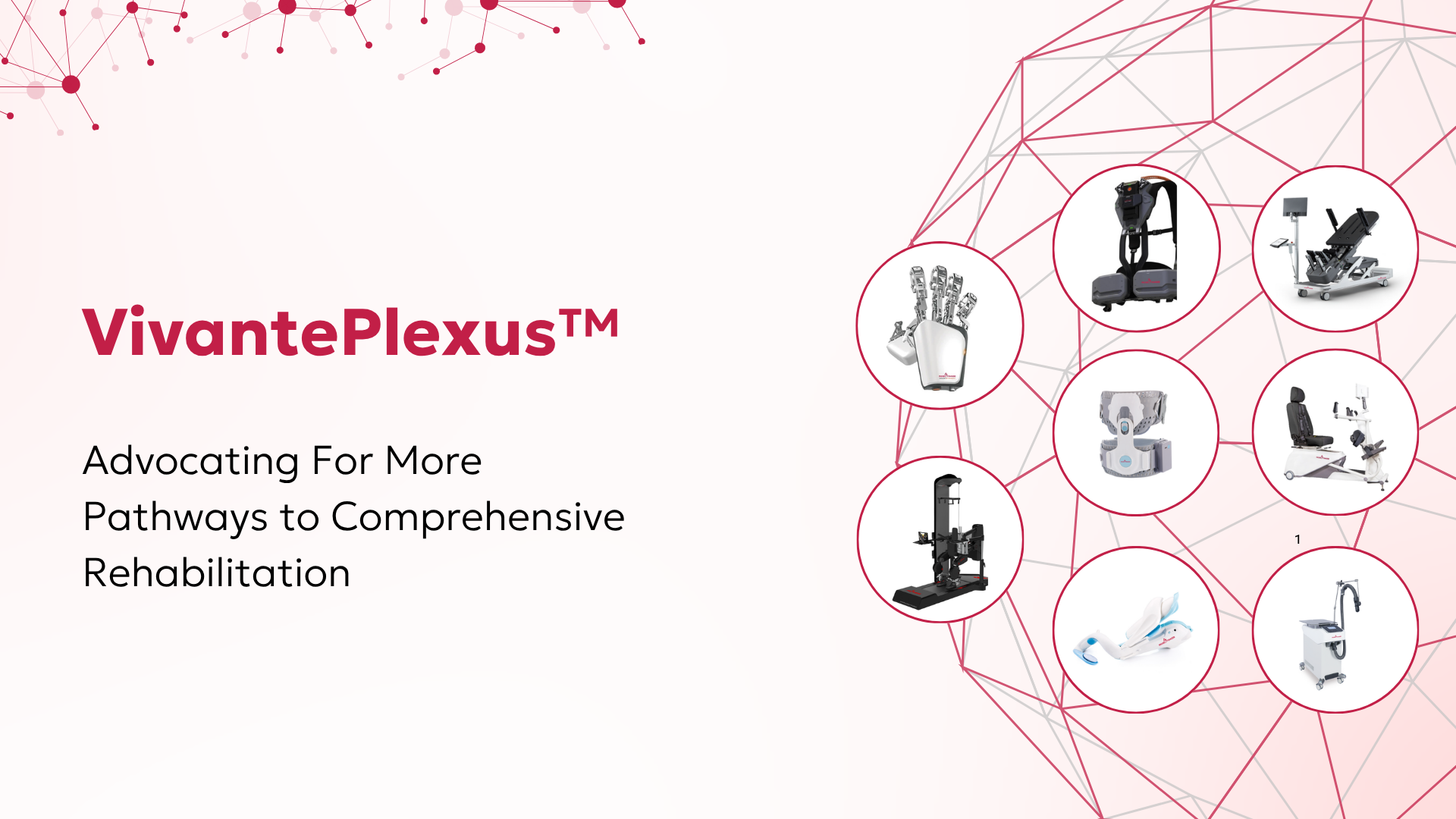
VivantePlexus™: Robotimize Group's integrated rehabilitation ecosystem connecting modular technologies across upper limb, lower limb, and neurological recovery domains.
Robotimize: Tech For Care. Advancing intelligent neurorehabilitation robotics and digital neurotechnologies across global rehabilitation markets.
Robotimize brings HandVivante™ MirrorHand to the U.S. to advance measurable upper-limb neurorehabilitation.
The expansion comes at a consequential moment for neurorehabilitation. In the United States, more than 795,000 people experience a stroke each year, and stroke remains a leading cause of serious long-term disability. Upper-limb impairment affects a substantial proportion of survivors early after stroke, yet full functional recovery remains limited for many patients, creating a persistent need for rehabilitation models that can deliver greater intensity, more meaningful task practice, and better visibility into patient progress.
HandVivante™ MirrorHand has been developed to respond to that need. The platform is designed around a master-slave rehabilitation approach in which movement from the unaffected hand guides assistance to the affected limb, supporting mirrored, bilateral training intended to reinforce motor relearning. Rather than relying on passive repetition alone, the system is structured to support functional upper-limb activities such as grasping, gripping, and coordinated movement sequences, while integrated sensors capture objective performance data that may help clinicians follow recovery trajectories and tailor therapy over time.
This matters because the rehabilitation market is moving beyond technology as a novelty and toward technology as infrastructure. Clinicians and provider organisations increasingly need solutions that not only assist movement, but also fit real clinical workflows, support therapy across care settings, and generate measurable data that can strengthen decision-making. Recent stroke rehabilitation literature continues to emphasise task-oriented, higher-dose intervention models, while CMS has expanded therapy-related remote therapeutic monitoring code pathways, reinforcing the broader direction of travel toward more connected and accountable rehabilitation delivery.
“HandVivante™ MirrorHand reflects how we believe modern rehabilitation should evolve — not as isolated hardware, but as part of a more precise, more measurable, and more clinically responsive recovery pathway,” said Kerry Guo, Founder and CEO of Robotimize Group. “Our entry into the United States is strategically important because it places this technology in a market where clinical expectations are high, implementation standards are rigorous, and partners are looking for solutions that can improve both patient recovery and service delivery.”
For American rehabilitation providers, the opportunity is not simply to adopt another device. It is to deploy a platform that aligns with several of the field’s most urgent priorities: restoring meaningful upper-limb function, extending therapy intensity beyond the earliest inpatient window, and narrowing the gap between supervised rehabilitation and what happens after discharge. Reviews of home-based and digital stroke rehabilitation have shown growing interest in technologies that support continuity, monitoring, and engagement outside traditional therapy sessions, especially when they can complement clinician oversight rather than replace it.
“Rehabilitation is increasingly judged not only by what happens in the treatment room, but by whether progress can be sustained, measured, and translated into real-world function,” said Zen Koh, Strategic Advisor to Robotimize Group. “What makes the U.S. market especially important is that partners there are looking for clinical relevance, operational fit, and credible outcomes logic at the same time. That is the level at which HandVivante™ MirrorHand is intended to compete.”
The U.S. introduction of HandVivante™ MirrorHand also represents an entry point into VivantePlexus™, Robotimize’s broader rehabilitation ecosystem, which connects modular rehabilitation technologies, digital neurotechnology tools, and data-enabled care pathways across hospital, transitional, home, and community settings. Within that broader architecture, HandVivante™ MirrorHand is positioned as a focused upper-limb solution that can support phased implementation: first through targeted clinical partnerships, then through broader programme integration as confidence, evidence, and operational experience build.
That phased approach is deliberate. In rehabilitation, successful adoption rarely depends on product capability alone. It depends on training, workflow integration, clinician acceptance, implementation support, and the ability to generate evidence in real service environments. Robotimize’s model in the United States will therefore prioritise clinical collaboration, structured onboarding, and the development of use cases that matter to providers — including neurological rehabilitation, post-stroke upper-limb recovery, and data-informed programme delivery.
“Our mission has always been to broaden access to meaningful rehabilitation by combining engineering, clinical insight, and long-term partnership,” said Prof. Denny Oetomo, Co-Founder and CTO of Robotimize Group. “The United States is an important next step, not only because of market size, but because it offers an environment in which technologies are expected to prove their relevance in practice. We welcome that standard.”
Robotimize Group will continue to expand its U.S. partner network, support deployment with training and clinical engagement resources, and work with collaborators to build the outcomes base needed for long-term adoption. The company sees this milestone not as a single-product announcement, but as the beginning of a broader strategy to participate in the next phase of rehabilitation delivery — one defined by precision, continuity, and measurable recovery.
About Robotimize Group
Robotimize Group is a next-generation health technology company headquartered in Singapore, specialising in intelligent rehabilitation robotics and digital neurotechnologies. Through VivantePlexus™, its integrated rehabilitation ecosystem, and ACE™, its strategic partnerships portfolio, Robotimize delivers solutions that support motor, cognitive, and neurological recovery across hospital, home, and community settings. With regional hubs in Malaysia and Europe and a growing international partner network, Robotimize is focused on making rehabilitation more adaptive, connected, and accessible.
For more information, visit: www.robotimize.tech
Media Contact
Jerry HONG
Robotimize Group
+60 11-1224 1674
jerry.hong@robotimize.tech
Jerry HONG
Robotimize Group
+60 11-1224 1674
email us here
Legal Disclaimer:
EIN Presswire provides this news content "as is" without warranty of any kind. We do not accept any responsibility or liability for the accuracy, content, images, videos, licenses, completeness, legality, or reliability of the information contained in this article. If you have any complaints or copyright issues related to this article, kindly contact the author above.
