

Black in Marine Science and Black Fiber & Textile Network Partner to Turn Harmful Seaweed Into Sustainable Textiles
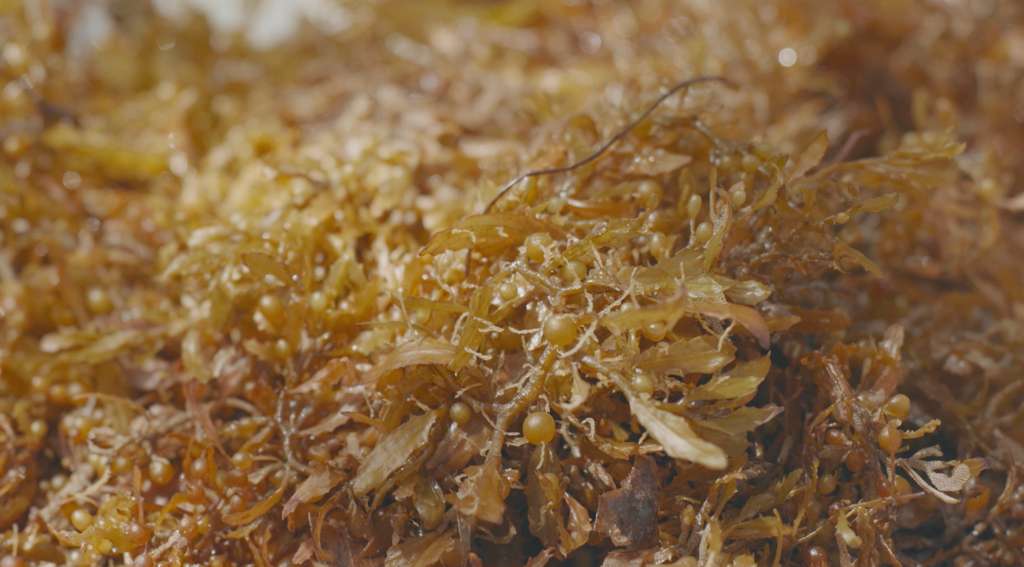
Sargassum collected in Belize
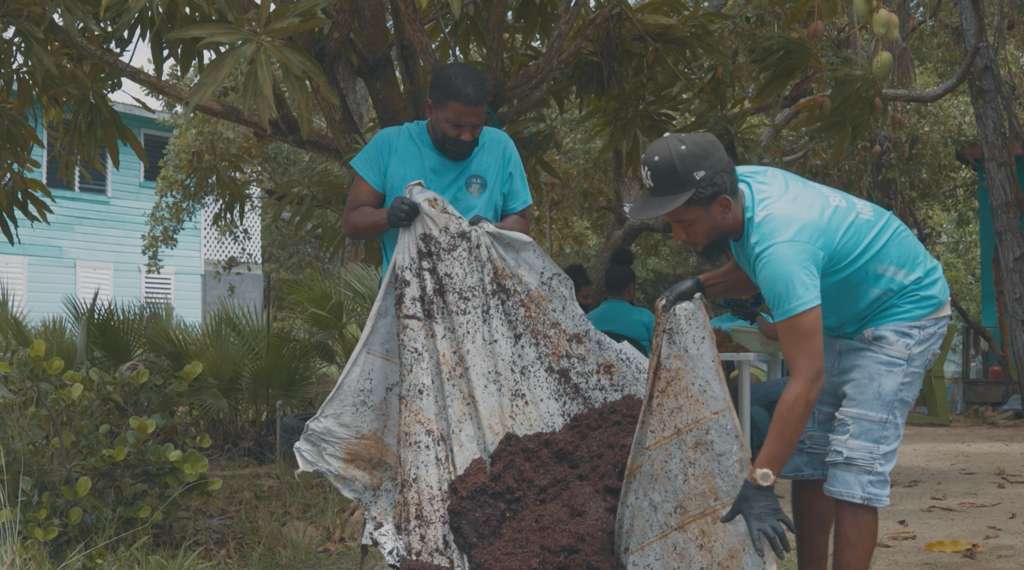
Sargassum collected in Belize
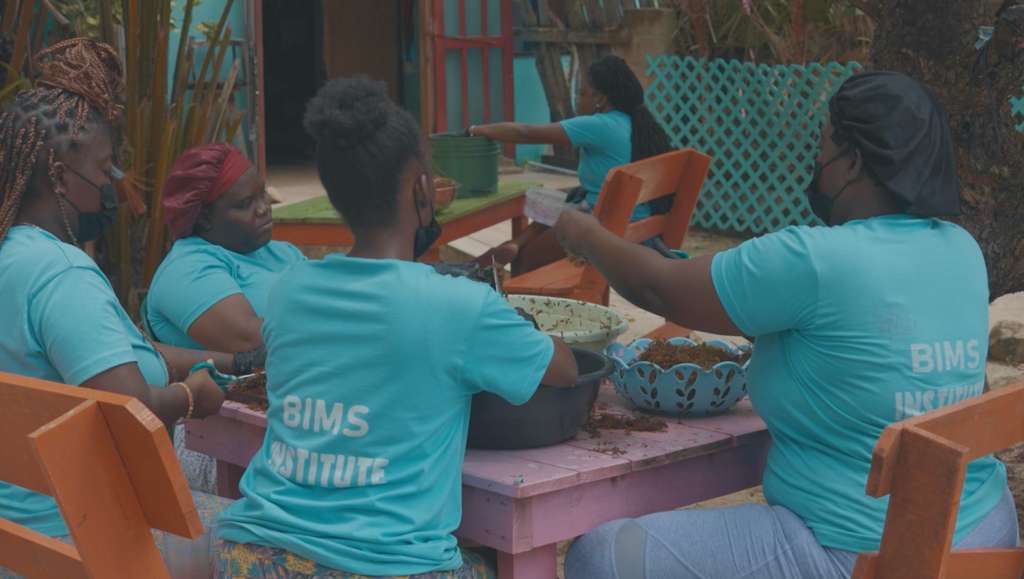
Locals sorting and processing sargassum
Marine science and textile innovation come together to transform an environmental challenge in Belize into community-driven solutions
BELIZE CITY, FL, BELIZE, June 2, 2026 /EINPresswire.com/ -- Two global organizations are joining forces to turn an environmental challenge into a new model for sustainability, economic opportunity, and community impact.
Black in Marine Science (BIMS), a global organization of marine scientists represented in 34 countries, and the Black Fiber & Textile Network (bftn), a collective of more than 70 Black-owned businesses advancing sustainable and regenerative practices in fiber and textiles, are joining forces to transform harmful sargassum seaweed into sustainable fiber and textile materials.
The partnership brings together marine science and textile innovation to turn an environmental challenge into community-driven solutions.
At the center of the collaboration is Bloom to Business, a BIMS initiative in Belize that is rethinking how communities respond to growing sargassum challenges.
Sargassum is a seaweed that washes onto Caribbean coastlines in large amounts. Instead of viewing it as waste, BIMS saw an opportunity to create solutions that benefit both people and the environment.
Through Bloom to Business, local Belize residents are being trained and mobilized to collect and process sargassum. The initiative is empowering local communities to become community scientists while creating new opportunities for workforce development and participation in environmental solutions.
Once collected and processed, the sargassum is handed off to the Black Fiber & Textile Network, where the organizations are exploring ways to transform the material into sustainable fiber and textile products.
The collaboration builds on work already underway. Through Bloom to Business, BIMS has already explored prototype products made from sargassum including fertilizer, artwork, and sand supplement solutions for beach erosion. Artwork created through the initiative has already been donated and placed in local Belize hotels, giving new life to a material often viewed as waste.
"What excites me most about this work is that it starts with community," said Dr. Tiara Moore, founder of Black in Marine Science (BIMS). "We are training and mobilizing local residents in Belize to become community scientists while creating pathways for environmental impact, workforce development, and innovation."
Beyond product innovation, leaders say the initiative is already creating broader community impact through job growth, economic activity, cleaner coastal spaces, and environmental improvements that benefit residents, visitors, tourism, and wildlife.
"Microplastics from synthetic textiles pollute our oceans, contribute to climate change, disrupt marine life, and harm coral reefs," said Teju Adisa-Farrar, founder of Black Fiber & Textile Network. "Bringing together the expertise of Black Fiber & Textile Network and Black in Marine Science allows us to create more sustainable practices both on land and in the sea."
The partnership builds on the Black Fiber & Textile Network's broader work of elevating Black farmers, designers, artisans, and producers who are creating more sustainable futures through fiber and textile innovation.
About Black in Marine Science (BIMS):
Black in Marine Science (BIMS) is a global organization of more than 750 marine scientists, students, professionals, and ocean leaders represented across 34 countries. Dedicated to fostering innovation within the global marine science community, BIMS empowers scientists and communities through research, educational programs, and collaborative initiatives that ensure diverse voices help shape the future of our oceans.
Founded by marine scientist Dr. Tiara Moore, BIMS has grown from a movement into a global force advancing environmental justice, workforce development, and community-centered solutions. Through initiatives like Bloom to Business, BIMS trains and mobilizes local communities to become community scientists while creating pathways for environmental and economic impact.
BIMS is also leading the five-year, $50 million From Addie to Ambrose campaign to establish a permanent BIMS Institute hub in Belize. The future global center will support marine research, workforce development, training, storytelling, and innovative blue economy projects designed to create long-term environmental and economic impact for communities around the world.
About Black Fiber & Textile Network (bftn):
The Black Fiber & Textile Network (bftn) is a global collective of over 70 Black-owned businesses dedicated to sustainable and regenerative practices in fiber, plant dyes, and textiles. Our members include farmers, designers, artisans, and manufacturers committed to environmental and social justice, community wealth-building, and racial equity. Through initiatives like film projects, workshops, and member meet-ups, bftn supports skill-building, collaboration, and visibility for Black people working in textiles. We aim to uplift our communities and honor the Earth with every thread.
Marla Howell
Black in Marine Science
+1 305-607-3098
marla@howpublicrelations.com
Turning Sargassum Into Sustainable Solutions
Legal Disclaimer:
EIN Presswire provides this news content "as is" without warranty of any kind. We do not accept any responsibility or liability for the accuracy, content, images, videos, licenses, completeness, legality, or reliability of the information contained in this article. If you have any complaints or copyright issues related to this article, kindly contact the author above.
