

New Documentary Explores Why Many Women Are Told Pelvic Floor Symptoms Are Normal
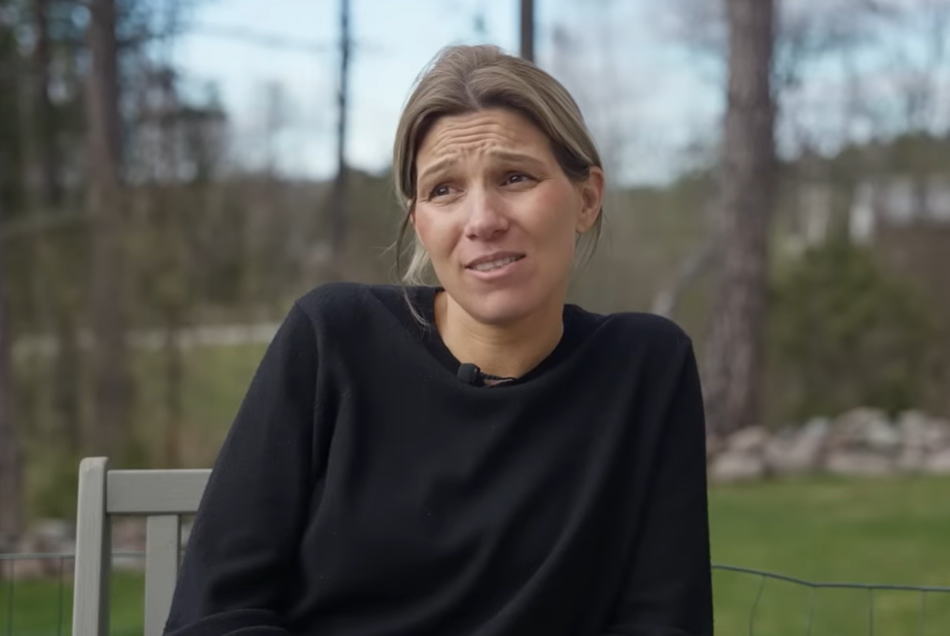
Sanna is one of the people featured in The Living Body: It's time to talk about Fascia, a documentary exploring fascia research and new perspectives on the living body.

The Fascia Guide logo
A new documentary combines personal stories and fascia research to explore why pelvic floor dysfunction is often normalised and overlooked.
The documentary The Living Body: It's time to talk about Fascia, now available on YouTube, brings together interviews with leading fascia researchers and personal stories like Sanna's to ask a larger question: are these conditions being treated too locally, when the pelvis may be part of a larger, connected system - the fascia? Interest in fascia has grown in recent years. In January 2025, an international team proposed in the Journal of Anatomy (DOI: 10.1111/joa.14212) that fascia be recognised as a distinct system of the body.
The documentary grew out of questions raised by researchers and practitioners who have spent decades exploring fascia and its role in the body. Sanna's story is one of several personal accounts featured in the film, alongside interviews with scientists studying the living body. Her experience also reflects a broader issue highlighted in national guidelines and surveys: many women with pelvic floor symptoms are told that their condition is a normal consequence of childbirth or ageing.
Sweden's National Board of Health and Welfare (Socialstyrelsen) issued the country's first national guidelines on pelvic floor dysfunction in June 2025, calling it a complex and often taboo public health problem affecting up to one in two women at some point in life. A unit head at the authority said that telling women their symptoms are "normal" after childbirth or with age is "a sign that the suffering has been normalised," and that it must not continue.
The pattern is not only Swedish. In a 2023 survey of 2,000 UK women for the Royal College of Obstetricians and Gynaecologists, more than half of those with symptoms never sought help - and of those, 39% assumed the symptoms were normal.
The film is part of a broader discussion about how complex health conditions are understood and treated, and whether important perspectives may still be receiving too little attention. Through stories like Sanna's and interviews with researchers, it invites viewers to consider how the body might be understood in new ways.
Watch the film here
More information here
Hans Bohlin
Fascia Innovation Sweden AB
+46 70 776 04 02
hans@fasciainnovation.com
Visit us on social media:
LinkedIn
Legal Disclaimer:
EIN Presswire provides this news content "as is" without warranty of any kind. We do not accept any responsibility or liability for the accuracy, content, images, videos, licenses, completeness, legality, or reliability of the information contained in this article. If you have any complaints or copyright issues related to this article, kindly contact the author above.
